
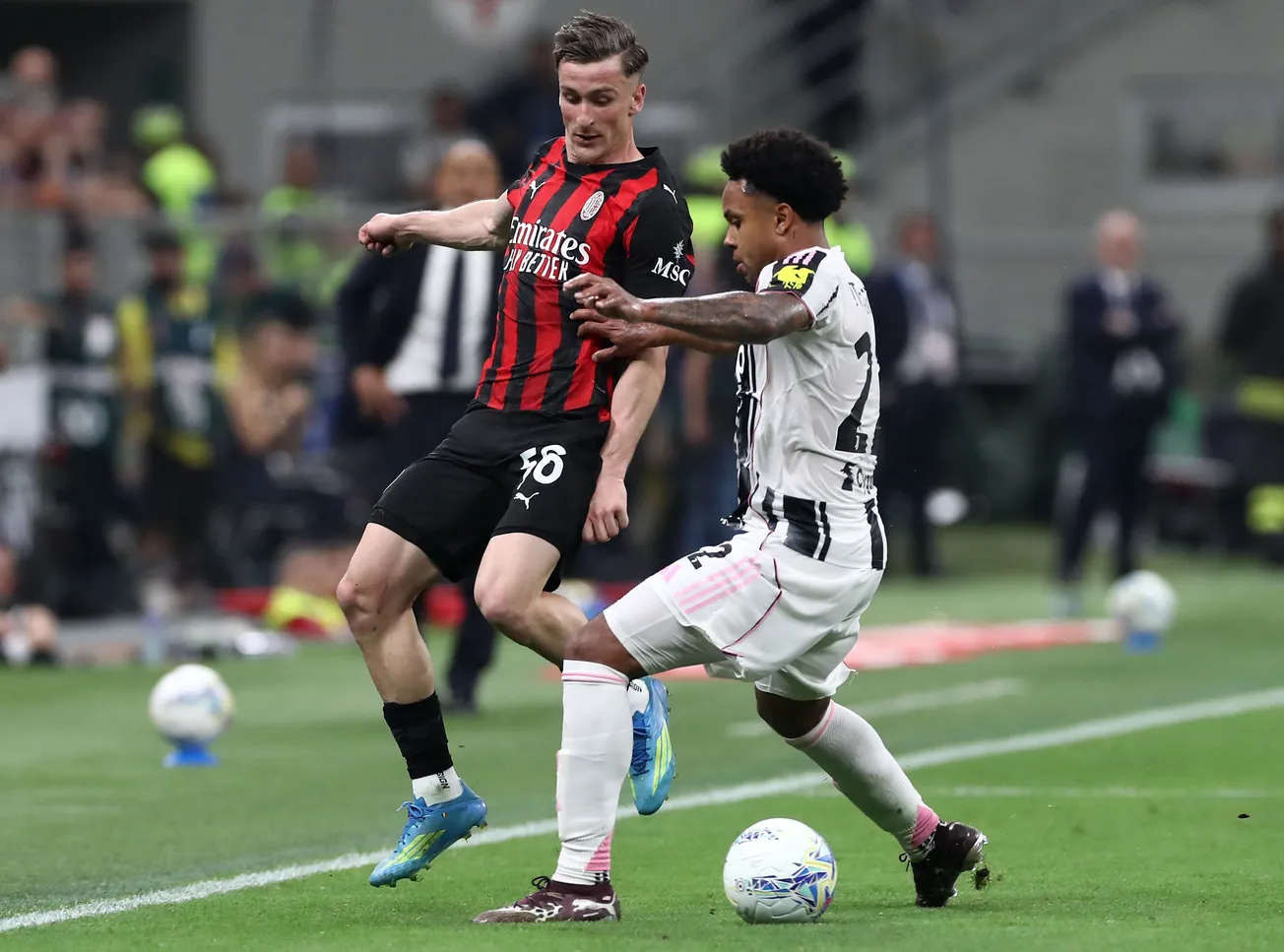
Weston McKennie told FIFA he doesn't feel fear about the 2026 World Cup, explaining, "I feel butterflies, which is normal," and "If you don't feel butterflies, it means you don't care about what you're doing." The Juventus midfielder's comments represent a calculated reframing of pressure that reflects both personal maturity and the tactical evolution of the USMNT under Mauricio Pochettino.
The Psychology of Home Tournament Pressure
Playing a World Cup on home soil brings a level of scrutiny the USMNT has not faced since 1994, but McKennie views the host status as a competitive edge, believing the energy from American fans will be a catalyst for success rather than a burden. This shift in perspective from burden to advantage demonstrates tactical thinking that extends beyond individual performance.
McKennie explained he doesn't view the situation as pressure, stating, "I think it's something we're excited about more than pressure, and for me, I feel like my whole life has been a lot of pressure situations and pressure moments, and back-against-the-wall moments or underdog moments." The midfielder's experience in high-stakes European competition provides context for this confidence.
Tactical Maturity Under Pochettino's System
McKennie points to the increased maturity of the "Golden Generation," noting that with many players now featuring regularly for top European clubs, the group's tactical and mental levels have reached a new peak. This evolution represents a structural shift in how the USMNT approaches major tournaments.
The arrival of Mauricio Pochettino has introduced new intensity to the USMNT camp, with McKennie revealing the former Tottenham and Chelsea boss has eradicated complacency, making it clear that reputation alone will not earn a starting spot, explaining, "I think the coach has come in with energy" and "nobody can feel like they're 100 percent secure in their position."
Leadership Role in Tournament Context
As one of the most experienced leaders in the USMNT locker room, McKennie is leaning into the emotional weight of the upcoming World Cup, believing that nervous energy surrounding the event is a sign of its significance rather than something to avoid. This approach contrasts with traditional pressure management techniques that focus on minimizing external expectations.
Multifaceted McKennie. 🧰
— U.S. Soccer Men's National Team (@USMNT) March 17, 2026
📝: https://t.co/m8iArjGE8P pic.twitter.com/X5nTapM5e7
McKennie acknowledged the team's internal motivation, stating "The team feels like we still have something to prove" and "I think everyone was probably happy with the performances and the effort we gave in Qatar, but I think us as a team, we know that we could have accomplished more."
Strategic Implications for 2026
McKennie emphasized the team's evolution, declaring "We are not the young, inexperienced team anymore," and reflecting on the journey from Qatar 2022, noting that while the first World Cup "was a dream come true," being "able to do it on home soil will be a pretty cool experience."
McKennie's reframing of pressure as competitive fuel rather than an external burden reflects a team that has moved beyond managing expectations to leveraging them.
His assessment that "playing on home soil brings a different kind of energy" with "excitement, pride, and extra motivation" while acknowledging "there's pressure too, but I try to embrace it and channel it into my game" suggests the USMNT has developed the tactical and psychological framework necessary for a deep tournament run.
The question is whether this approach translates to on-field execution when the tournament begins.