Following coordinated U.S. and Israeli strikes on Iran that reportedly killed Supreme Leader Ayatollah Ali Khamenei and triggered retaliatory missile attacks across the Middle East, Iran’s participation in the 2026 FIFA World Cup is suddenly in doubt.
Iranian Football Federation president Mehdi Taj has publicly suggested that attending a tournament co-hosted by the United States may now be “inappropriate.”
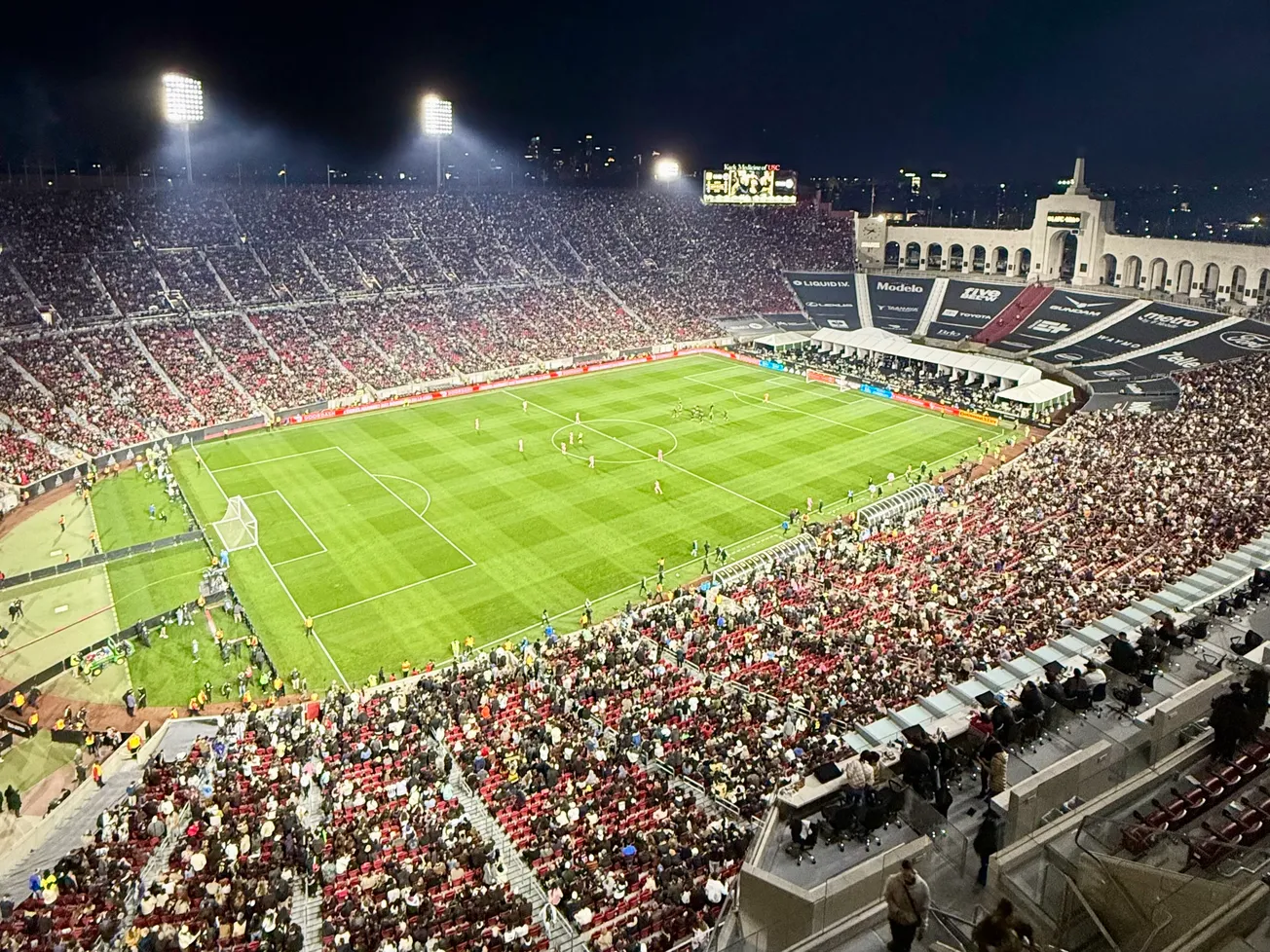
Los Angeles will welcome IR Iran for two FIFA World Cup 2026™ group stage matches against New Zealand and Belgium.
— FIFA World Cup 26 Los Angeles™ (@LosAngelesFWC26) December 26, 2025
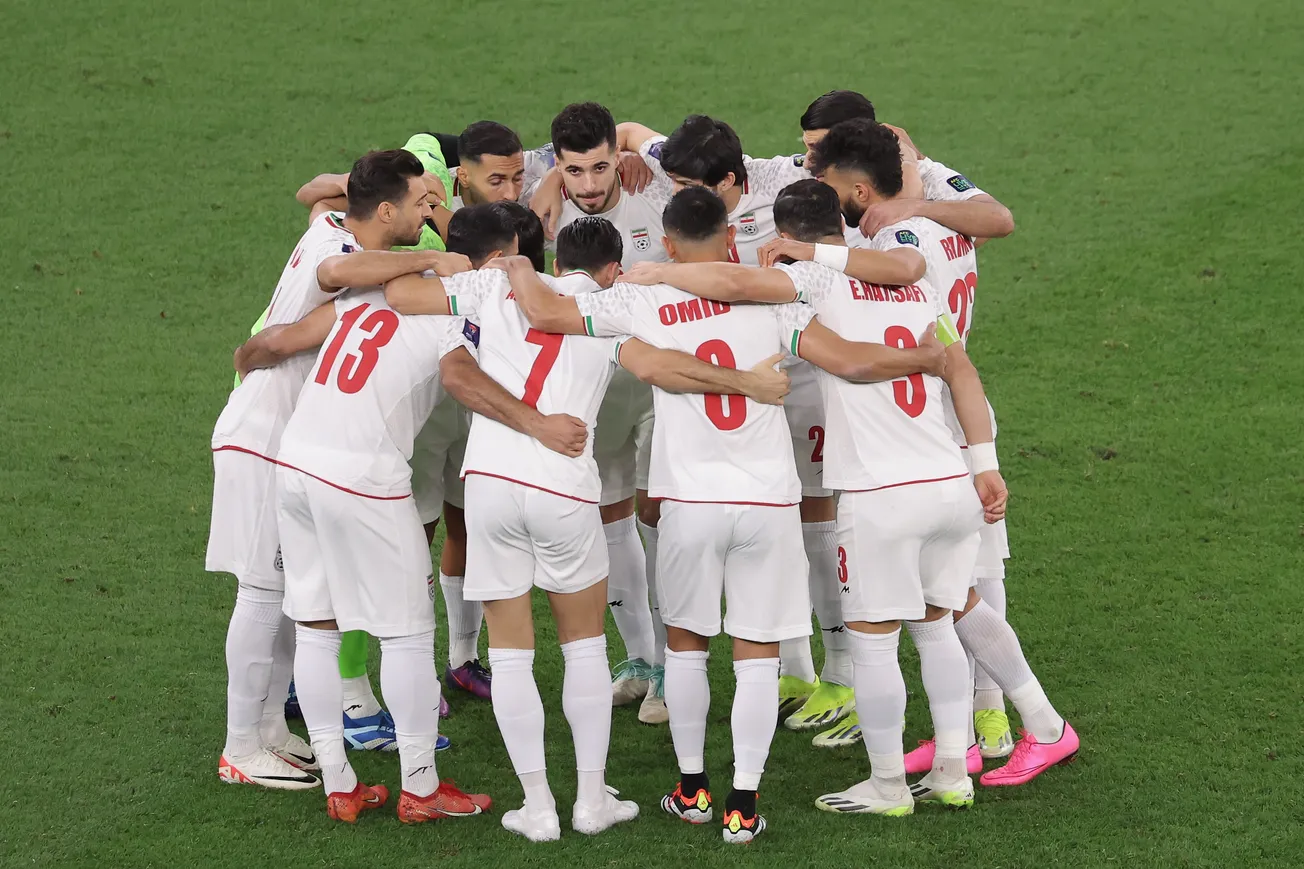
Photo by Gao Meng/VCG via Getty Images
#FIFAWorldCup #WeAre26 #WeAreLosAngeles #LosAngeles26 #SomosLosAngeles pic.twitter.com/Xah6hlPkov
Iran has already qualified. They are drawn into Group G with Egypt, Belgium, and New Zealand. The plan is to base training in Tucson, Arizona. Two group matches are set for Los Angeles at SoFi Stadium, and the third, against Egypt in Seattle at Lumen Field, has sparked controversy.
If Tehran withdraws, FIFA must name a replacement. That decision would not only reshape Group G but also alter travel plans, ticket demand, and television markets overnight. For supporters in Los Angeles, it would land closer to home.
The Seattle Flashpoint
Iran’s scheduled match against Egypt on June 26 in Seattle has already stirred debate. Local organizers aligned the matchday with Pride celebrations. Iran and Egypt, where homosexuality faces criminal penalties, objected.
Seattle has said its programming will proceed. FIFA is monitoring the situation. If Iran withdraws, that specific tension disappears. The broader cultural friction does not.
The 2026 tournament was designed as an intercontinental celebration. It now absorbs diplomatic and social fault lines weeks before kickoff.
Tehrangeles
Southern California hosts the largest Iranian diaspora outside Iran. Westwood. Beverly Hills. Encino. Tarzana. Persian bookstores beside sushi counters. Farsi radio on FM. The nickname “Tehrangeles” is a demographic reality, not a marketing term.
Estimates place the number of residents of Iranian ancestry in Greater Los Angeles between 130,000 and 220,000. The community is not monolithic. Iranian Jews, Armenians, Azerbaijanis, secular professionals, monarchists, reformists, and families who left after 1979. One lesson repeated over time is simple: when it comes to Iranians, generalization often fails.
For many Iranian Americans, the country is memory and heritage, distinct from its government. A national team appearance in Los Angeles would not automatically read as a political endorsement. It could feel like cultural recognition.
One second-generation Iranian American said it plainly: “If they score, I cheer. I’m not cheering for a regime. I’m cheering for where my family comes from.” That split between pride and frustration runs through households across the city.
That is why this cuts deeper in Los Angeles.
A History of Tension
Iran’s national team has often operated in tension with its state. The defining example remains June 21, 1998, in Lyon. Iran defeated the United States 2–1 at the World Cup. Hamid Estili’s header. Mehdi Mahdavikia’s breakaway. Players exchanged flowers before kickoff.
For ninety minutes, football created space that politics rarely allowed.
Other victories, including the 2–0 win over Wales in 2022, carried emotion. None matched 1998 in symbolism.
Nearly three decades later, Iran may not step onto American soil at all.
If Iran Withdraws from the World Cup
FIFA regulations allow a replacement. The United Arab Emirates has been mentioned in reports tied to Asian qualification pathways, though no decision is official. Regional dynamics add further complexity.
Competitively, Group G shifts. Belgium’s preparation changes. Egypt’s narrative shifts. Commercial projections adjust.
In Los Angeles, something less quantifiable changes.
SoFi and Layered Loyalties
Inglewood will host eight matches. The U.S. opener. Global media. Record ticket sales.
An Iran match in Los Angeles would have added another layer. Flags from a homeland many left behind. Children asking quiet questions about an anthem. Pride braided with unease.
Los Angeles understands hyphenated identity. Mexican American. Korean American. Iranian American. The World Cup here was always about more than sport. The 1984 Olympics carried similar undercurrents, with Cold War absences reshaping the field. The city has experience hosting spectacles alongside tension.
Politics and the Pitch
FIFA’s position remains steady. It hopes all qualified teams participate and emphasizes safety. Institutional optimism is consistent.
Political reality is less predictable. For Iran’s federation, sending a team to the United States after direct military confrontation carries domestic risk. For players, the calculus is personal. Loyalty. Fear. Family. Reputation.
The 2026 World Cup was marketed as a symbol of unity across borders. Forty-eight teams. Three host nations. Expanded opportunity.
But unity depends on participation.
In 1998, football softened a diplomatic freeze. In 2026, it may not get the chance.
Los Angeles is prepared. The stadium stands ready. The diaspora watches.
If Iran walks into SoFi Stadium, it will be layered and complex. If it does not, the absence will speak just as loudly.