
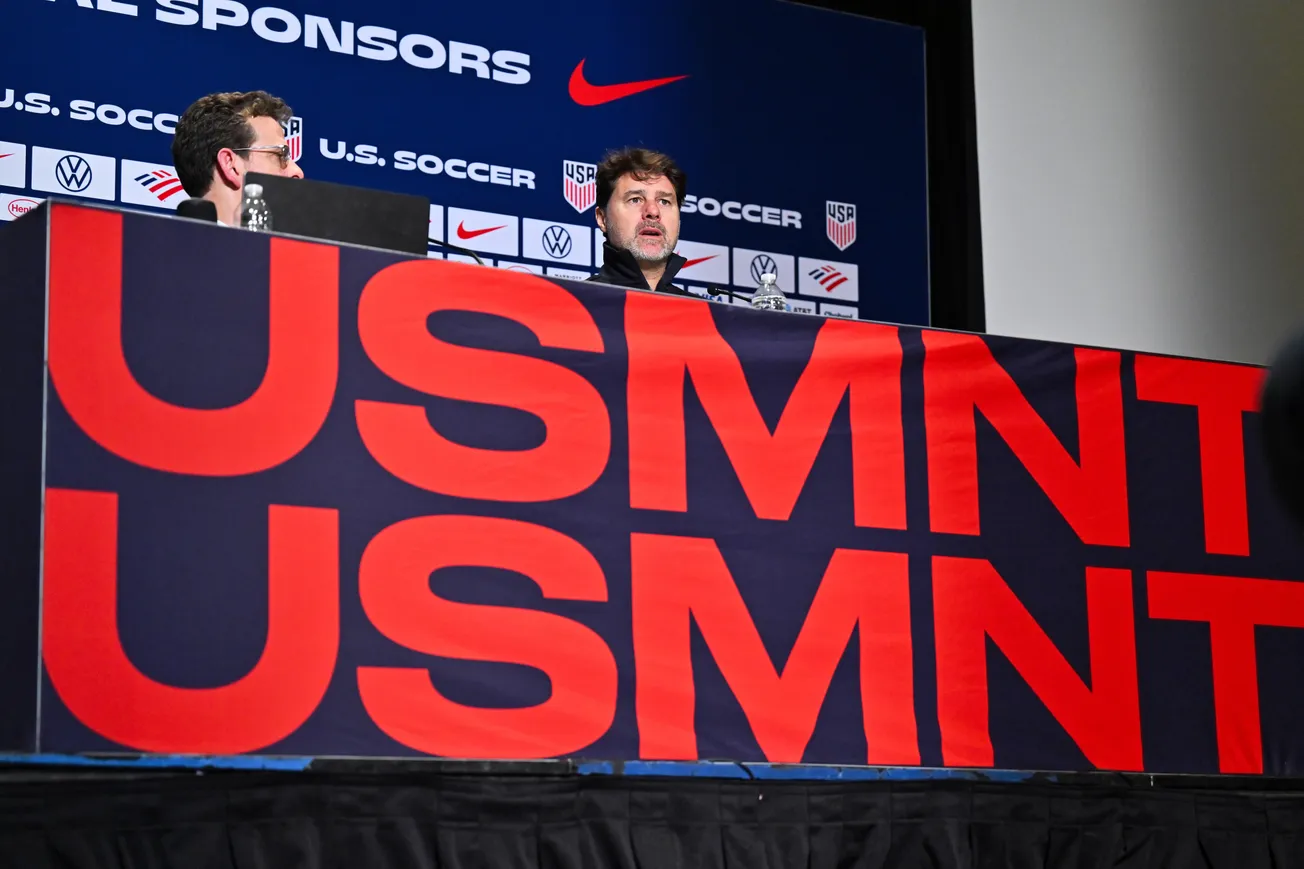
The salary of the United States men’s national team coach has reached a level that places the country among the biggest spenders on technical leadership in international soccer.
According to financial documents released by the federation, Argentine manager Mauricio Pochettino earns a compensation package that can exceed $5 million per year, combining base salary and performance-related bonuses.
Before Mauricio Pochettino’s arrival, former U.S. men’s national team coach Gregg Berhalter earned significantly less. His salary was reported at around $1.6 million per year during his tenure, placing him well below the current compensation level for the role. The jump from Berhalter to Pochettino reflects U.S. Soccer’s shift toward investing in higher-profile, globally experienced managers ahead of the 2026 World Cup.
Pochettino’s Salary Breakdown
During his first months in charge, between August 2024 and March 2025, Pochettino already accumulated approximately:
- $2.52 million in base salary
- $2.5 million as a signing bonus
Projected over a full year, his earnings are expected to reach:
- More than $4 million in fixed salary
- Between $5 million and $6 million with bonuses included
A key detail is the funding structure. Part of this compensation does not come directly from the federation, but from private donations and commercial partnerships, an unusual model in international football.
Comparison with Brazil’s National Team Coach
The contrast with Brazil is direct.
Carlo Ancelotti, currently in charge of the Brazilian national team, is estimated to earn between:
- $3 million and $4 million annually
In practical terms:
- The U.S. coach can earn more than Brazil’s manager
- With bonuses, that gap can exceed $1 million per year
What This Investment Signals
This level of spending reflects a broader strategic shift in U.S. Soccer:
- The 2026 World Cup is being treated as a priority national project
- There is a clear push to import elite European experience
- The federation is willing to match high-level club salaries to accelerate competitiveness
By contrast, Brazil still operates under a more traditional federation model, with less reliance on external funding.
The Bigger Picture
In the current landscape, the U.S. national team job is no longer just a sporting role. It has become a high-value financial and strategic investment, aimed at positioning the country as a serious contender on home soil in 2026.