

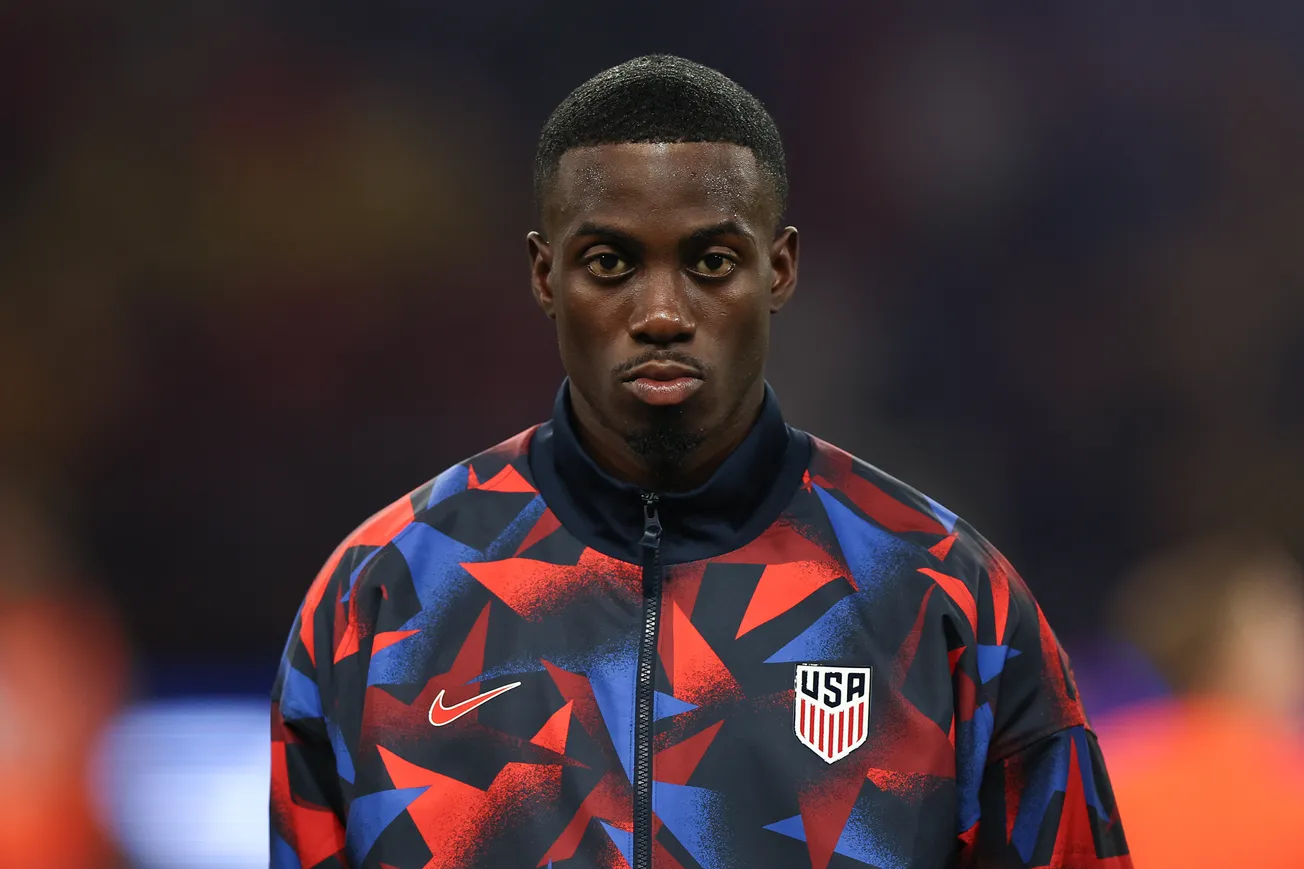
Tim Weah told The Athletic that while "This World Cup will be good, but it will be more of a show. I am just a bit disappointed by the ticket prices. Lots of real fans will miss matches." The USMNT winger's criticism of 2026 World Cup pricing reflects a structural problem that became evident during Copa America 2024, where high ticket costs contributed to empty stadiums and limited fan engagement.
The pricing structure driving fan exclusion
FIFA is using dynamic pricing for the tournament, with prices ranging from $60 for a group-stage game to as much as $6,700 for the final. This is a lot of money, especially when you price in travel, accommodation, and other expenses that supporters would have to fork out. For US team matches specifically, the cheapest tickets cost families almost $1,600 for nosebleed seats, while opening-game tickets cost over $6,700.
The average cost of watching the United States play in person nearly quadrupled between the 2002 and 2018 World Cup cycles, well above the cumulative inflation of just under 40% over the same period. This pricing trajectory has created a disconnect between the federation's accessibility goals and actual fan experience.
Copa America as a cautionary preview
Only 45% of Copa America's opening group games were sellouts, with nine of 22 games not reaching 66% capacity, and five games following Argentina's opener left tens of thousands of seats empty. Even USMNT matches suffered from poor attendance, with Arrowhead Stadium showing half-empty upper decks for a must-win game against Uruguay, while the team's opener drew only 47,873 fans to an 80,000-seat venue.
The ticketing approach differed significantly from Euro 2024: tickets could be purchased for as little as $60 directly from UEFA, whereas Copa America tickets were sold through secondary platforms like Ticketmaster and SeatGeek. This reflects how external entities have viewed the U.S. soccer fan as willing to pay any price for any product.
Implications for the 2026 World Cup development
The generally inconsistent consumer response to Copa America should serve as a hard lesson for 2026 World Cup organizers who have promised record crowds and revenue, particularly as part of making grassroots development efforts sincere by making matches accessible to the average person. Signs of fanbase dissatisfaction are already evident, with four of 10 home friendlies in 2025 drawing under 20,000 fans and only one crowd exceeding 30,000.
The approach is ultimately short-sighted, as soccer is built on vibrant fan atmospheres, and stagnant, empty stadiums do nothing to create the next generation of fans. Weah's comments represent more than player frustration—they highlight a fundamental tension between revenue maximization and the sport's long-term growth in the American market.