
The soccer tournament for the 2028 Los Angeles Olympic Games is beginning to take shape, with well-defined contours. The organization confirmed that the matches will be held at six stadiums in the United States, all owned by Major League Soccer (MLS) franchises.
The choice focuses on modern arenas, a tried-and-tested operation, and strong popular appeal — a classic combination for a global event.
The proposal follows the recent Olympic soccer model: an itinerant initial phase and decisions concentrated on a main stage. And in this case, a stage steeped in history.
The Rose Bowl to host the Olympic finals
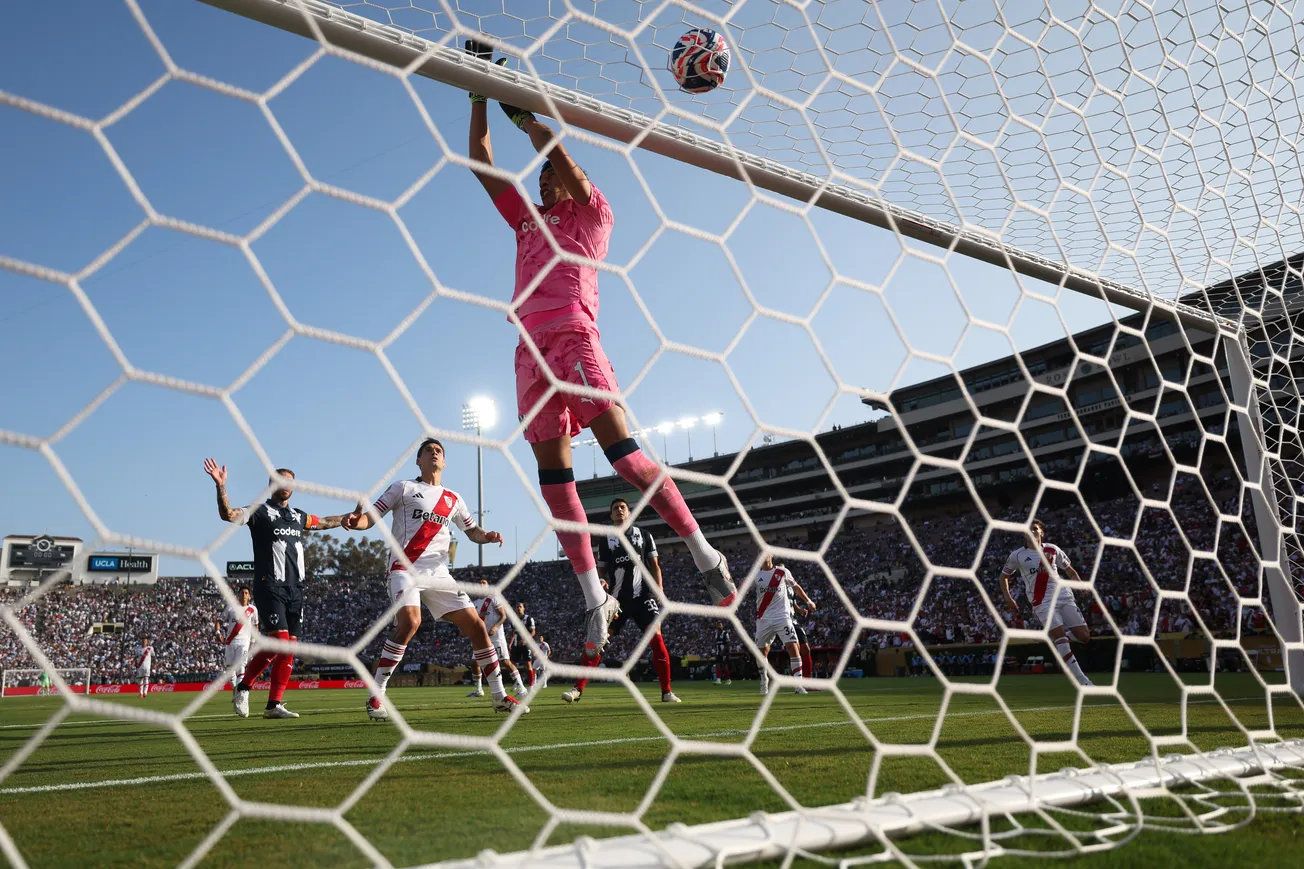
Medal contests already have an address. The legendary Rose Bowl Stadium, in the Los Angeles metropolitan area, will be the center of Olympic soccer decisions.
The sun will set on an epic cross-county showcase when the LA28 Olympic Football (Soccer) Tournaments close out at the Rose Bowl Stadium. The final goals of the beautiful game will take place at the historic stadium—one of the first venues ever to host events for three Olympic… pic.twitter.com/ohUEwmJKf3
— LA28 (@LA28) February 3, 2026
Confirmed dates:
- Men's final: July 28, 2028
- Women's final: July 29, 2028
The stadium was not chosen by chance. With a capacity of more than 80,000, the Rose Bowl has hosted World Cup finals, Olympic Games, and major international events. It's an arena used to pressure — an ideal setting for crowning Olympic champions.
Six cities on the Golden Route
Before the finals, the tournament covers the country. The venues were strategically distributed, connecting different North American soccer markets.
During the Games, stadiums will be identified by the name of the cities — standard practice of the International Olympic Committee to avoid official trademarks.
2028 Olympic football stadiums confirmed
- New York — Etihad Park (New York City FC)
- Columbus — ScottsMiracle-Gro Field (Columbus Crew)
- Nashville — GEODIS Park (Nashville SC)
- Saint Louis — Energizer Park (Saint Louis CITY SC)
- San Jose — PayPal Park (San Jose Earthquakes)
- San Diego — Snapdragon Stadium (San Diego FC)
The choice reinforces the tournament's national presence and brings the Olympic environment to different regions - from the East Coast to California.
Logistic planning to reduce wear and tear
The venue was defined through direct participation by Soccer United Marketing (SUM), the commercial arm of the MLS.
The analysis involved structure, mobility, schedule, and operational capacity.
The design provides for a progressive displacement of the selections:
- Start concentrated in the east.
- Intermediate games in the center of the country
- Final stages in the west, in Los Angeles
The logic is simple: reduce long trips in the decisive stages. Less time on the plane, more recovery time — a crucial factor in short and intense competition.
Expanded calendar under study
Another point under consideration is the tournament's duration. The International Olympic Committee, together with the LA28 committee, is considering extending the soccer period.
Among the measures discussed:
- Preliminary matches before the Opening Ceremony
- Longer intervals between games
- Adjustments for athletes' physical recovery
The trend follows the increasingly congested international calendar. The idea is to maintain technical performance while reducing the risk of injury.
Disclosure of the table and tickets
The detailed schedule will still be published. Dates, times, and official division in April 2026.
The matches, on the other hand, depend on the Olympic qualification process. Seeding will be defined only after:
- Conclusion of the continental qualifiers
- Official tournament draw
Until then, the venues are preparing to receive delegations and supporters from all over the world.
Historic milestone in women's soccer
Los Angeles 2028 will also mark an unprecedented turning point within the Olympic program.
For the first time, women's soccer will have more teams than men's.
Confirmed format:
- Women's tournament: 16 teams
- Men's tournament: 12 teams
The female expansion reflects the sport's technical and commercial growth. Audience, investment, and competitiveness have risen in recent cycles - a movement now also recognizedin the division of vacancies.
Impact for the MLS and for soccer in the USA
Using MLS stadiums goes beyond logistics. There is a clear sporting and marketing effect.
In the field:
- Standardized lawns
- Modern structures
- An operation used for large audiences
Outside of it:
- Global League Exhibition
- Strengthening the MLS brand
- Engagement of new fans
Events of this size often leave a legacy. The 1994 World Cup boosted soccer in the country. Los Angeles 2028 could repeat — or even amplify — that impact..
Expectation for 2028
With defined venues, finals in a historic stadium, and the expansion of women's soccer, the 2028 Olympic tournament is set to be one of the most robust in the modern era.
The combination involves:
- International standard framework
- Optimized logistics
- The calendar is adjusted to the athlete.
- National reach in the USA