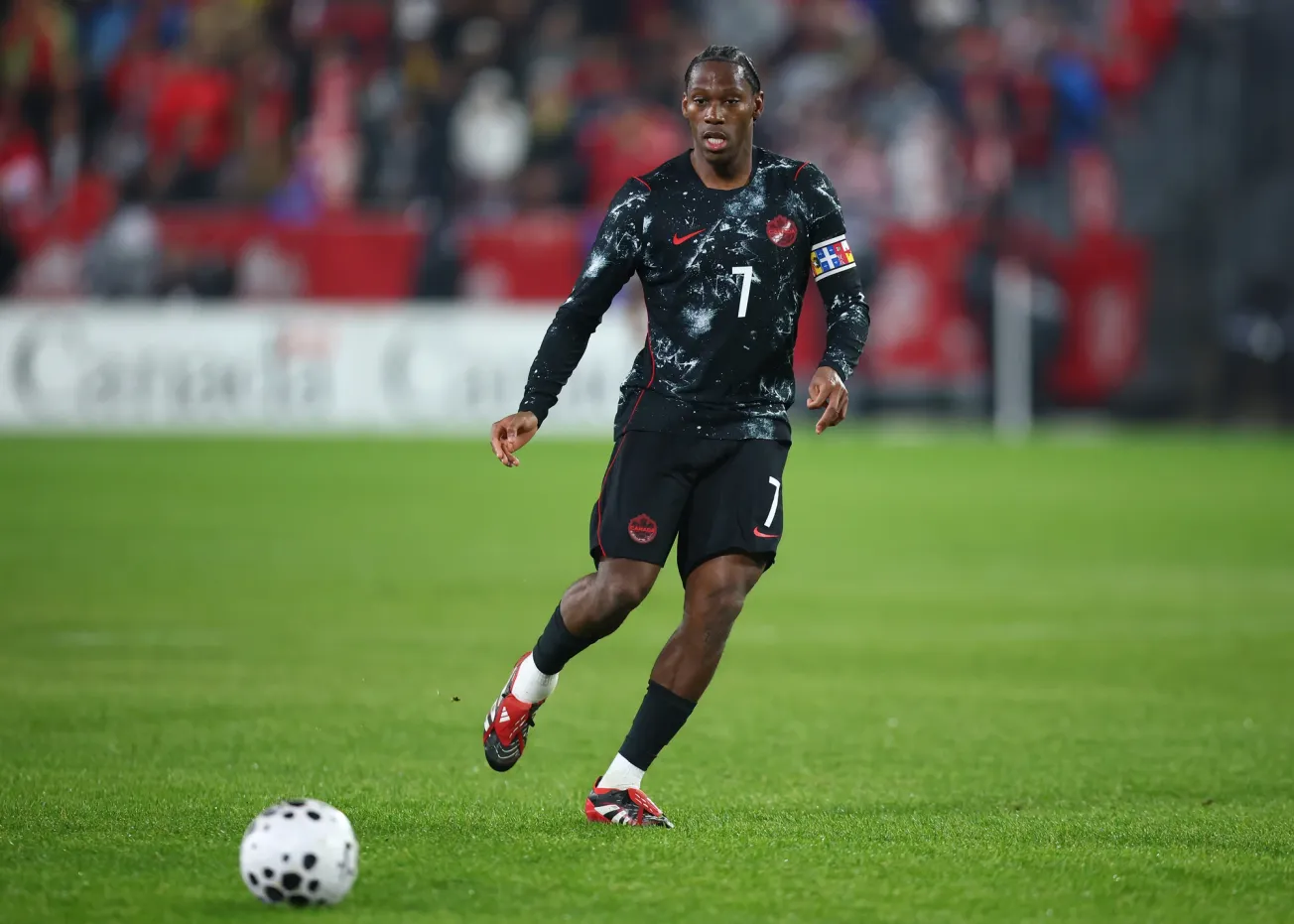

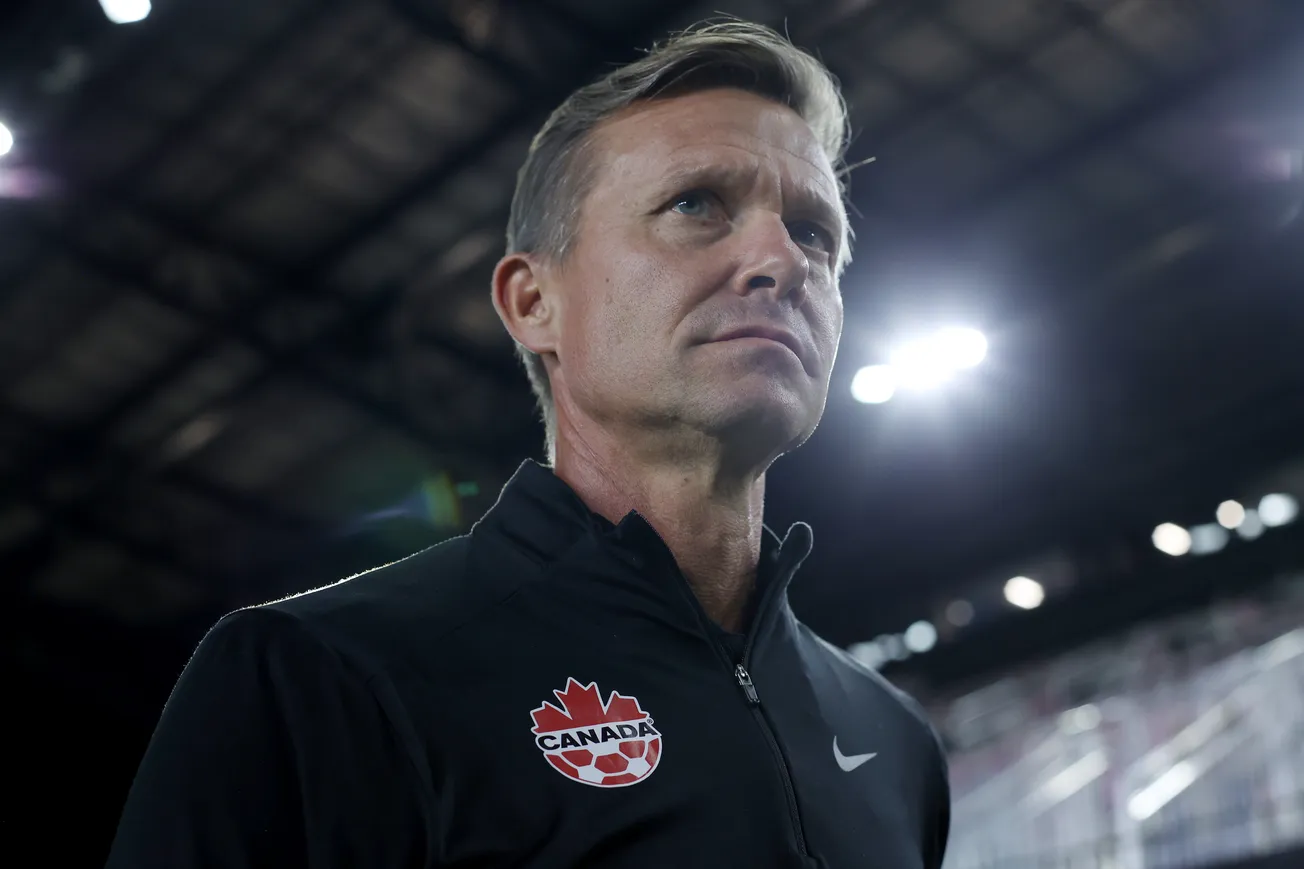
Coach Jesse Marsch took another important step in preparing the Canadian national team for the 2026 FIFA World Cup. This week, the coach announced a list of 20 players drafted for the January training period, with a strong presence from Major League Soccer (MLS). In all, 15 athletes play in the North American league, reinforcing the commitment to local development
The squad mixes youth, rising players and names already established in the national squad. The objective is clear: to expand the range of options, evaluate new profiles and maintain the physical and tactical standard required for the World Cup cycle, which will be played at home by Canada, the United States and Mexico.
MLS as the basis of the Canadian project
The predominance of Major League Soccer athletes is no accident. Marsch knows the league well, its intense pace and tight schedule. For a training period outside the FIFA date, it makes sense to bet on players who are already active on the continent and quickly fit the game model.
In addition, Canada is experiencing a moment of consolidation of its soccer identity. Less improvisation, more continuity. The domestic base guarantees alignment, competitiveness, and a more uniform tactical reading
A few familiar faces in the squad!
— Toronto FC (@TorontoFC) January 6, 2026
Congrats to Jonathan Osorio, Richie Laryea and Luka Gavran to being called up for the January Window 🗓️ https://t.co/hoUDgM0AGR pic.twitter.com/3HTaJIgMiu
Goalkeepers: open space contest
The defensive sector starts with the goal, and Marsch called two names that seek affirmation on the international scene:
Goalkeepers (2)
- Luka Gavran — Toronto FC
- James Pantemis — Portland Timbers
Both are active in the MLS and are on the radar as options to compose the group in the medium term. With the position still open for the future, every workout counts.
Numerous and versatile defense
The coach drafted eight defenders, betting on athletes who can play more than one role, something essential in modern soccer.
Defenders (8)
- Noah Abatneh — Atletico Ottawa
- Zorhan Bassong — Sporting Kansas City
- Matteo de Brienne — GAIS
- Richie Laryea — Toronto FC
- Jahkeele Marshall-Rutty — CF Montreal
- Kamal Miller — Portland Timbers
- Ralph Priso — Vancouver Whitecaps FC
- Joel Waterman — Chicago Fire FC
The highlight is Richie Laryea and Kamal Miller, the group's most experienced names. Marshall-Rutty and Abatneh, on the other hand, represent renewal, focusing on intensity and capacity for recomposition.
Midfield: balance between strength and creativity
The midfield is the most numerous sector in the squad, with seven players. The list combines scoring, leading and reading the game well.
Midfielders (7)
- Jeevan Badwal — Vancouver Whitecaps FC
- Mathieu Choinière — LAFC
- Marcelo Flores — Tigres UANL
- Shola Jimoh — Inter Toronto FC
- Jayden Nelson — Austin FC
- Jonathan Osorio — Toronto FC
- Jacob Shaffelburg — LAFC
Here, the most established name is Jonathan Osorio, a technical reference and leader in the cast. Marcelo Flores, the only one outside of the MLS in the sector, brings international experience to the group. Shaffelburg and Choinière, on the other hand, offer intensity on the sides and are ready to attack.
Young attack under observation
In the offensive sector, Marsch chose three names, all young and still in the affirmation phase.
Attackers (3)
- Tiago Coimbra — Halifax Wanderers F.C.
- Rayan Elloumi — Vancouver Whitecaps FC
- Jacen Russell-Rowe — Columbus Crew
The goal here is simple: to observe. The coach wants to understand who can offer depth, high blood pressure, and space reading, key characteristics of his game model.
Preparation without shortcuts
This training period does not define starters or close the World Cup group. It serves to build the base, test variations, and maintain the competitive standard. Marsch follows a traditional line: a strong cast is built on repetition, demand, and meritocracy.
The message is clear to those who were left out and to whom they were called. Name alone doesn't help you play. Delivery, yes.
With the MLS increasingly present in the Canadian national team project, the path seems well defined. Less empty promise, more work. That's how national teams grow - and that's how Canada wants to arrive in 2026.