
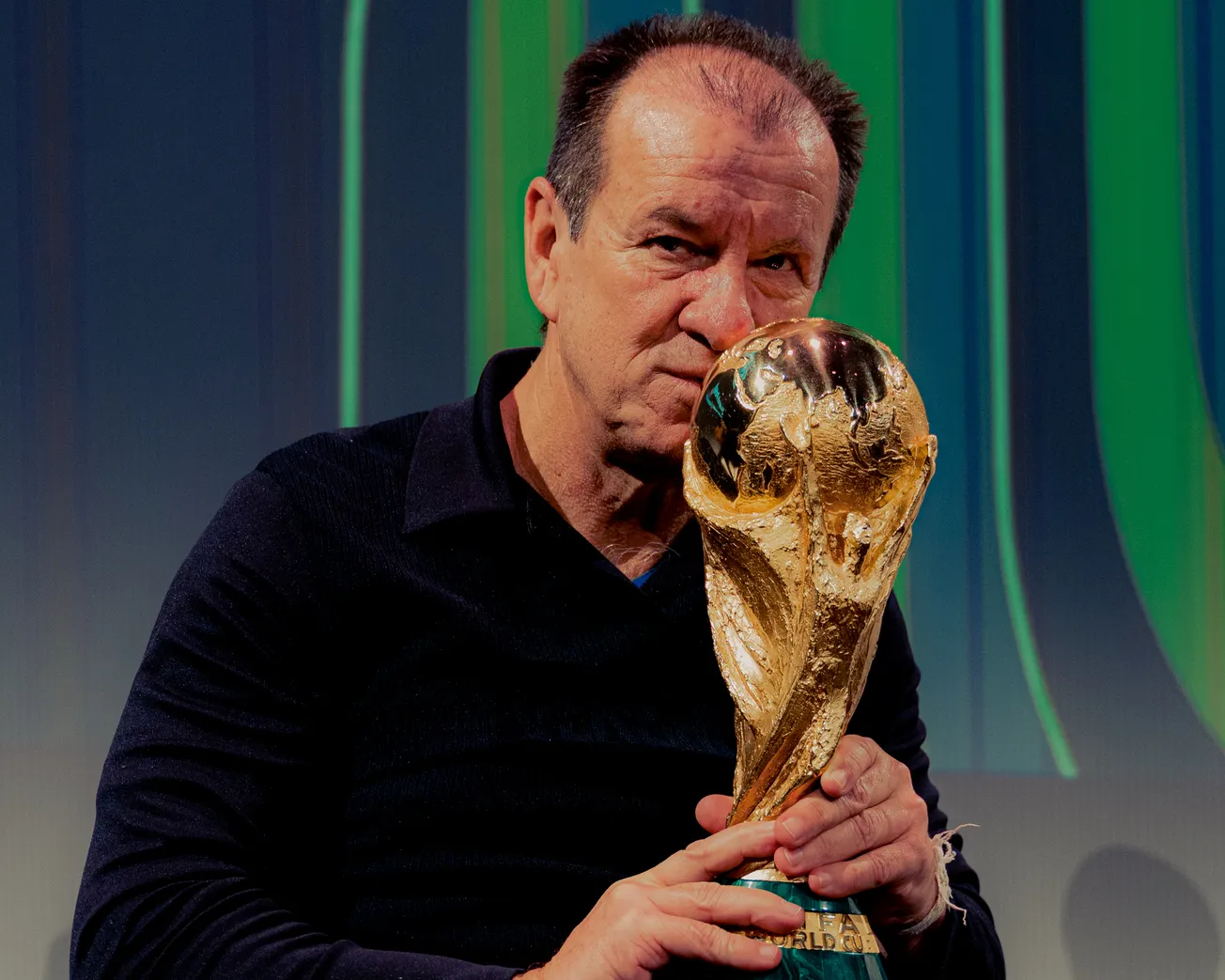
WASHINGTON, D.C. — More than three decades after captaining Brazil to the 1994 World Cup title, Dunga still identifies one opponent—not Italy, not the Netherlands—as the Seleção’s most demanding test: the United States.
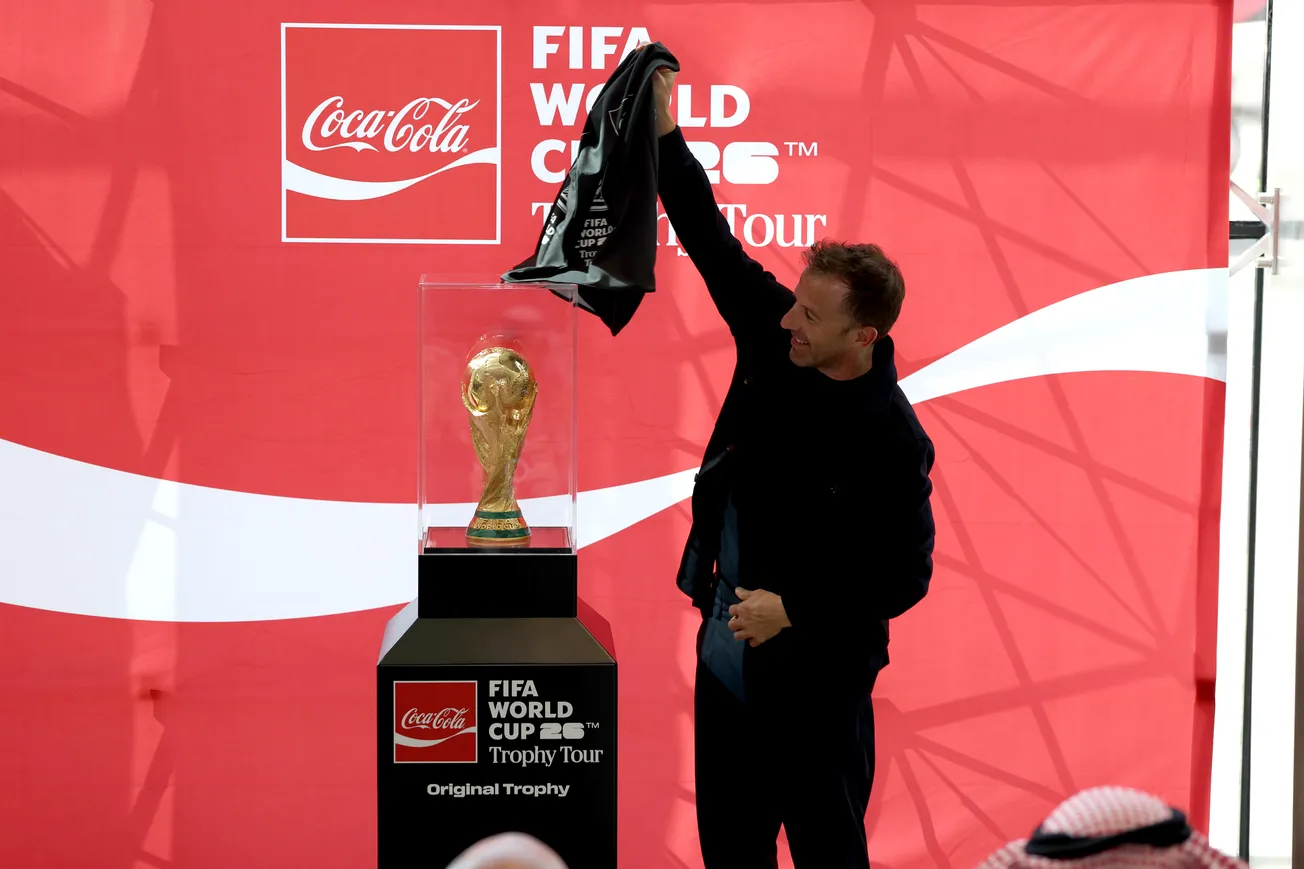
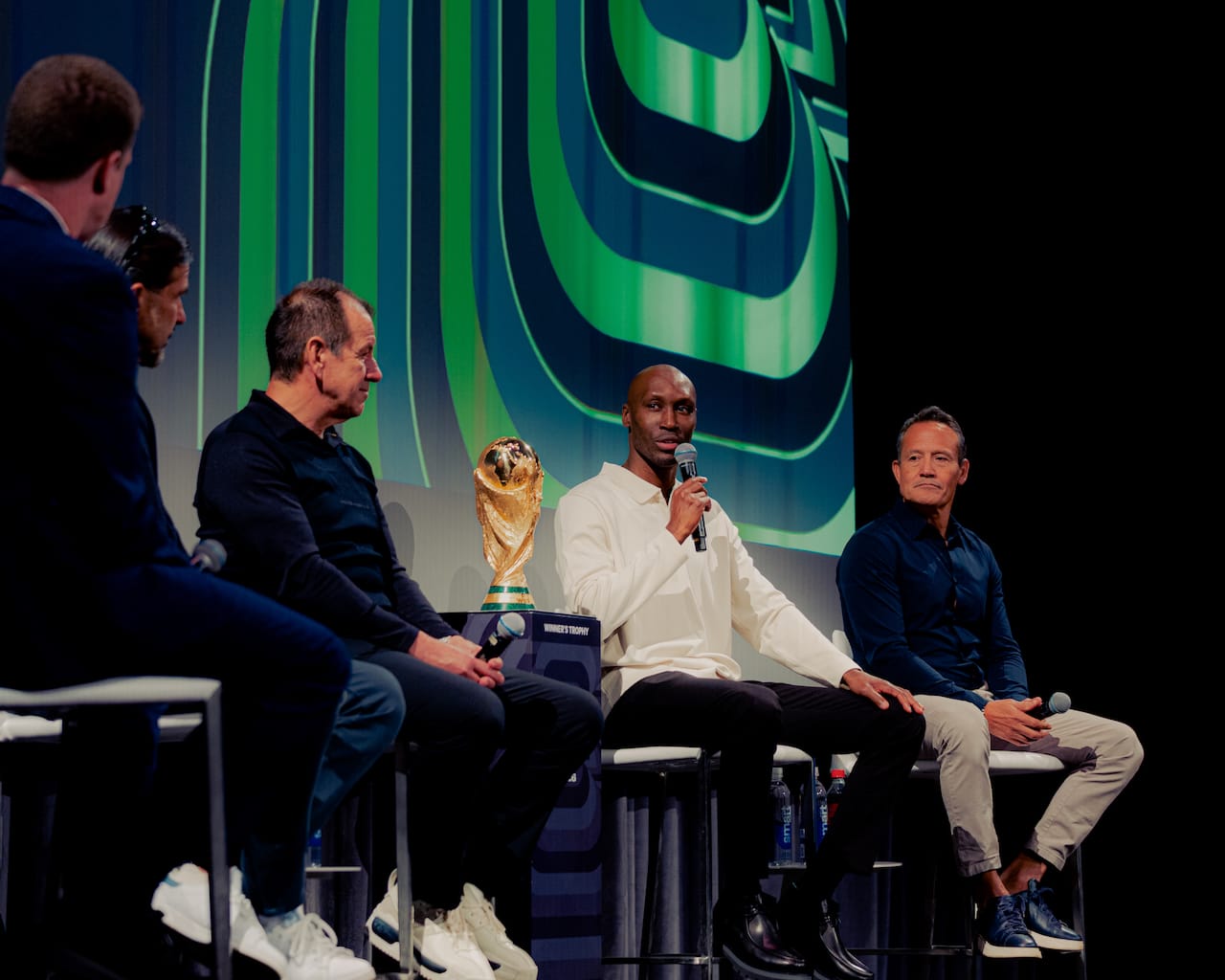
Speaking Friday at FIFA’s World Cup Legends panel at the Kennedy Center, the former captain described the July 4 Round of 16 match at Stanford Stadium as the game that nearly derailed Brazil’s championship run.
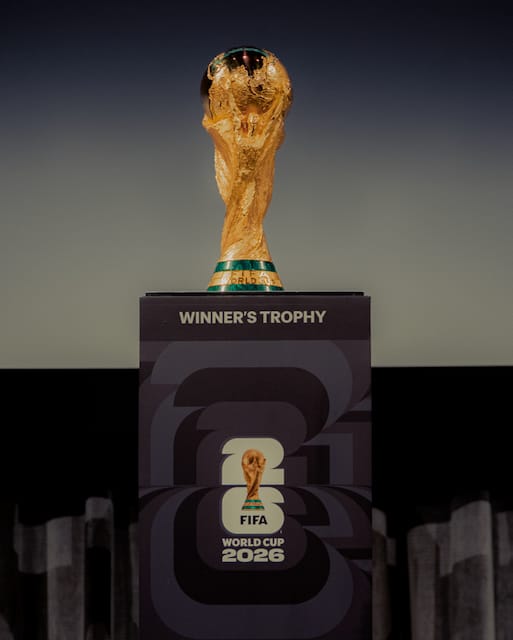
“That was probably the hardest game that Brazil played during that World Cup,” Dunga said through a translator. “It was Independence Day, there was a lot of motivation behind the Stars and Stripes.”
A hostile setting and a defining turning point
Brazil entered the knockout stage ranked No. 1 in the world. The Americans—ranked 23rd and still years away from launching MLS—were widely expected to exit early. Instead, more than 84,000 fans packed Stanford Stadium and watched the U.S. push the tournament favorites into uncomfortable territory.
Brazil missed several early chances, frustration built, and the tension culminated with Leonardo’s red card just before halftime. Reduced to 10 men, Brazil held firm and finally broke through in the 72nd minute on a goal by Bebeto, sealing a narrow 1–0 victory.
The win sent Brazil to the quarterfinals, where they beat the Netherlands and eventually lifted the trophy after a penalty shootout against Italy at the Rose Bowl.
Balboa: “No one gave us a chance in ’94”
For the U.S. squad, the match remains a landmark moment in the growth of American soccer.
Former U.S. defender Marcelo Balboa, one of only 10 American players with professional experience abroad at the time, said the team’s belief came from years of working together in the pre-MLS era.
“You dream about it, you breathe it,” Balboa said. “When you get to play in the World Cup against the best team in the world and you hang in there… you realize, ‘We’re really in this game.’”
The U.S. didn’t produce an upset that afternoon, but they did something else: they earned lasting respect.
“No one gave us a chance in ’94… but we were a team that was going to fight and play until the 110th minute,” Balboa said. “Bebeto said it then, and Dunga says it now — it was one of their hardest games.”
A foundation for modern American soccer
The near-shock performance in 1994 helped accelerate the sport’s evolution in the United States. MLS launched two years later, youth academies expanded nationwide, and American exports to Europe became routine.
Balboa sees a direct line from that game to today.
“We laid a great foundation,” he said. “People are finally coming to look at our players. They’re signing them young. That’s what we always wanted.”
As the U.S. prepares to co-host the 2026 World Cup, expectations have shifted dramatically. Pressure—Balboa insists—is part of the sport’s natural growth.
“This team has a lot of pressure… and that’s what we always wanted,” he said. “We’re going to have an opportunity to show the world how much we’ve grown over 30 years.”