
BMO Stadium, home of LAFC, is starting to take on a new identity. For at least one weekend in March 2026, it looked less like a soccer venue and more like a preview of the future of American football.
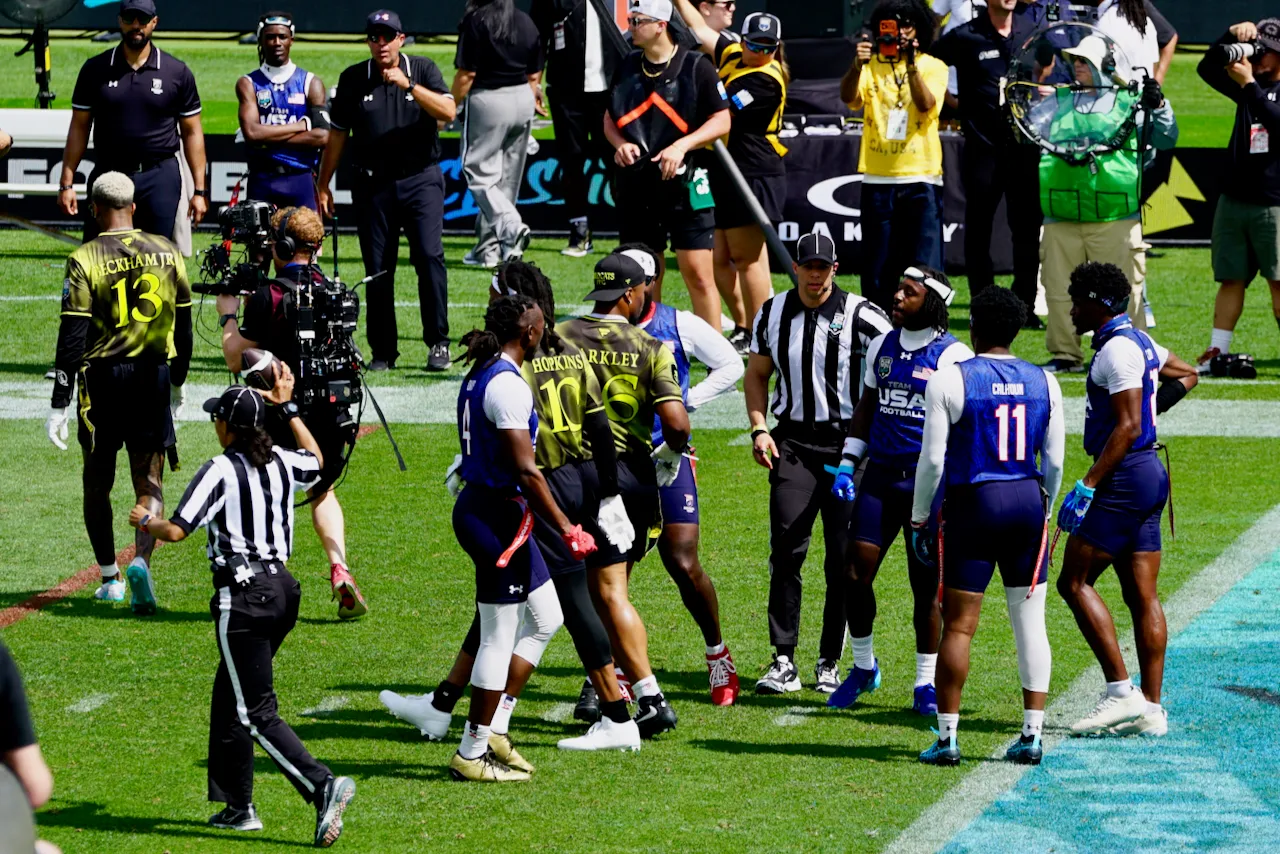
The Fanatics Flag Football Classic brought NFL stars, influencers, and Team USA athletes to Los Angeles, turning BMO into a test environment for a sport that will debut at the 2028 Olympic Games.
With flag football officially part of LA28, the event offered an early look at how existing stadium infrastructure in Los Angeles could adapt to new global competitions.
From Soccer Ground to Multi-Sport Venue
The transformation was not structural, but conceptual.
BMO Stadium did not need major changes to host flag football. The pitch dimensions, broadcast setup, and fan proximity already align with what the sport demands: speed, visibility, and constant action.
This is where flag football differs from traditional American football. It requires less space, fewer players, and minimal equipment. The result is a format that fits naturally into soccer-specific stadiums.

For LAFC, this opens the door to additional use cases for BMO beyond MLS and Concacaf competitions.
A Glimpse of the Olympic Future
Flag football will make its Olympic debut at the Los Angeles 2028 Games, a decision that reflects the sport’s rapid global growth.
Events like the Fanatics Classic are not isolated exhibitions. They function as soft launches, testing fan interest, broadcast appeal, and player engagement ahead of the Olympic cycle.
Team USA, which defeated teams featuring current and former NFL players during the event, is expected to be one of the favorites in 2028. The level of organization and specialization already separates flag athletes from traditional football players transitioning into the format.
Tom Brady and the Push to Evolve the Game
Tom Brady’s presence added weight to the event, but his comments after the games pointed to a broader conversation.

Brady suggested that flag football could evolve toward a hybrid model, blending elements of traditional 7-on-7 football with the current non-contact format. His focus was on increasing passing volume and making the game more dynamic for global audiences.
He also floated the idea of future exhibition formats, including AFC vs. NFC-style matchups, signaling a push to create recognizable narratives around the sport.
While Brady confirmed he will not compete in the 2028 Olympics, he remains involved in shaping how the sport develops commercially and structurally.
Why BMO Stadium Matters in This Shift
Los Angeles will host multiple Olympic events in 2028, and venues like BMO Stadium, which is fully owned by LAFC, are central to that planning.
Its location, size, and existing soccer-first design make it adaptable for emerging sports like flag football. A makeshift endzone was drawn around the intermediary zone of the soccer field, giving BMO a unique feeling.
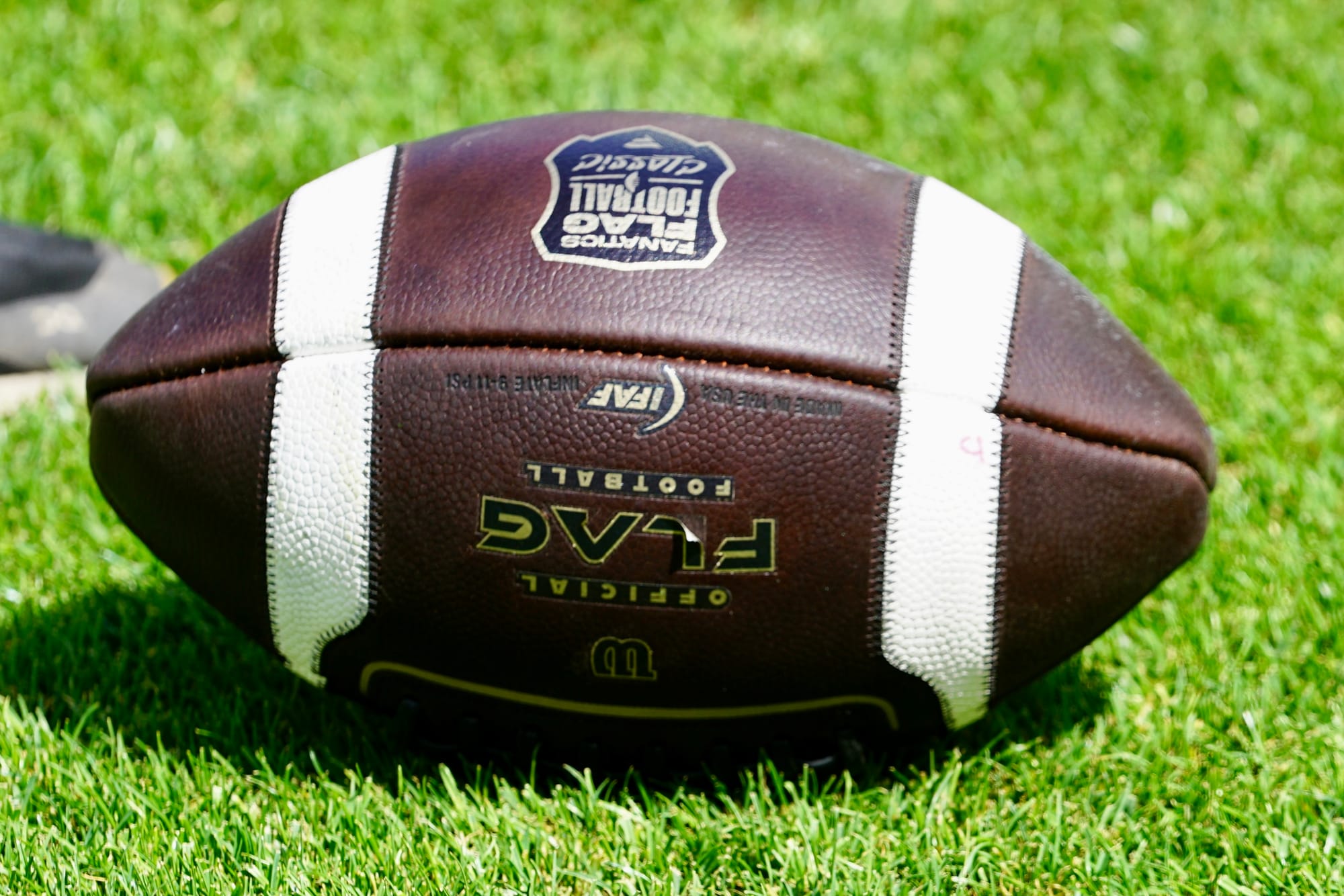
Unlike NFL stadiums, which are built for scale and physicality, BMO offers a tighter, more broadcast-friendly environment that aligns with how flag football should consumed.
This positions the stadium as a potential recurring host for future events tied to the sport, even beyond the Olympics.
The Bigger Picture
While the opportunity to feature flag football came after the event was relocated to Los Angeles from the Middle East, the use of BMO Stadium for flag football is not a one-off last minute experiment. It reflects a broader shift in how sports are packaged and distributed, with live entertainment at the forefront, mixing up sports, exclusivity and glamour.
And Flag football just happens to be a unique sport that's rooted on the most popular league in the planet, the NFL. Known for its physicality, Flag Football brings nonetheless:
- Faster and more accessible than traditional football
- Is easier to globalize due to lower physical barriers
- Better suited for digital and short-form content consumption
For MLS venues, this suddenly creates an unexpected intersection. Soccer stadiums may become key infrastructure in the expansion of American football’s non-contact version.
What Comes Next
As LA28 approaches, more events like the Fanatics Flag Football Classic are expected, in order to highlight its positioning in the national scene ahead of the next Summer Olympics.
Each event will refine how the sport is played, presented, and commercialized. And each one will continue to test venues like BMO Stadium as part of that evolution as they host the highest echelon of American athletes.