
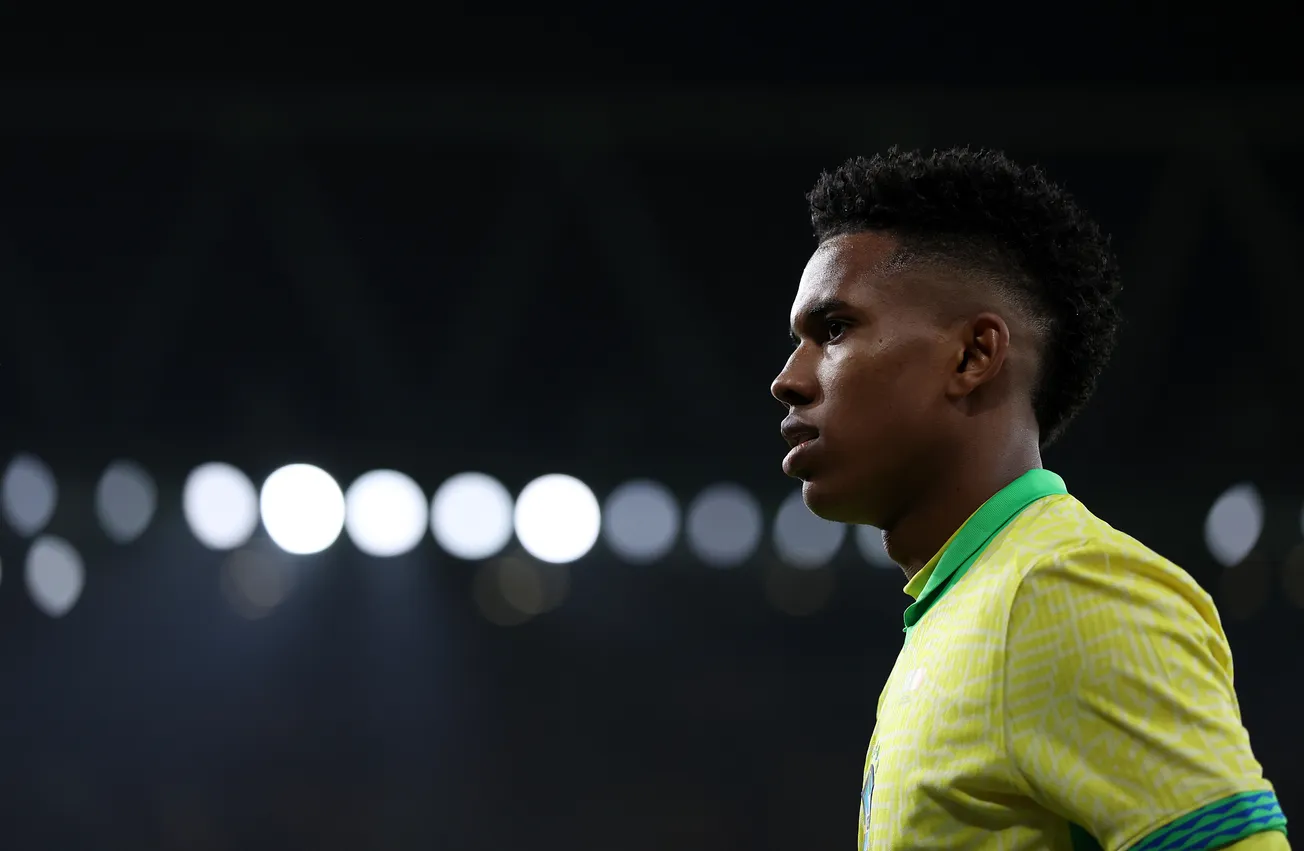
Brazil won its iconic third title in Mexico in 1970 and ended a 24-year drought with a dramatic triumph in the United States in 1994. Canada, the third host of the expanded 48-team tournament, will stage its first-ever World Cup. For fans eager to see the Seleção reclaim global dominance, these memories form a powerful backdrop to Brazil’s new campaign under Carlo Ancelotti—a quest that begins in Group C against Morocco, Scotland, and CONCACAF’s Haiti.
1970: Pelé Leads a Team for the Ages
Brazil’s 1970 run in Mexico remains one of the most celebrated performances in football history. Led by Pelé—still the only player to win three World Cups—the team delivered a level of creativity, flair, and tactical innovation that reshaped the global game.
Brazil swept through the group stage, defeating Czechoslovakia, England, and Romania, before eliminating Peru and Uruguay in the knockout rounds. The 4–1 victory over Italy in the final, capped by Carlos Alberto’s legendary strike after a sweeping team move, became an iconic symbol of Brazilian football. The title not only defined an era but also strengthened Pelé’s status as the sport’s global icon.
1994: A Long Wait Ends in the United States
Twenty-four years later, Brazil lifted another World Cup—this time on American soil. The 1994 tournament, remembered for its defensive style and narrow scorelines, showcased the influential Romário-Bebeto partnership, which remains beloved among fans.
Brazil won a group featuring Russia, Cameroon, and Sweden before navigating a tense knockout path: a 1–0 victory over the U.S. in the Round of 16, a thrilling 3–2 win against the Netherlands, and a tight semifinal against Sweden. The final at the Rose Bowl ended 0–0 through extra time, becoming the first World Cup final decided on penalties. Captain Dunga ultimately lifted the trophy, securing Brazil’s fourth World Cup title.
Looking Ahead to 2026: A New Opportunity Across North America
With deep history in both Mexico and the United States, Brazil enters the 2026 World Cup with renewed optimism and a clear mission: reclaim global supremacy. The tournament also gives Brazil its first opportunity to compete for the title in Canada, adding an entirely new chapter to its continental legacy.
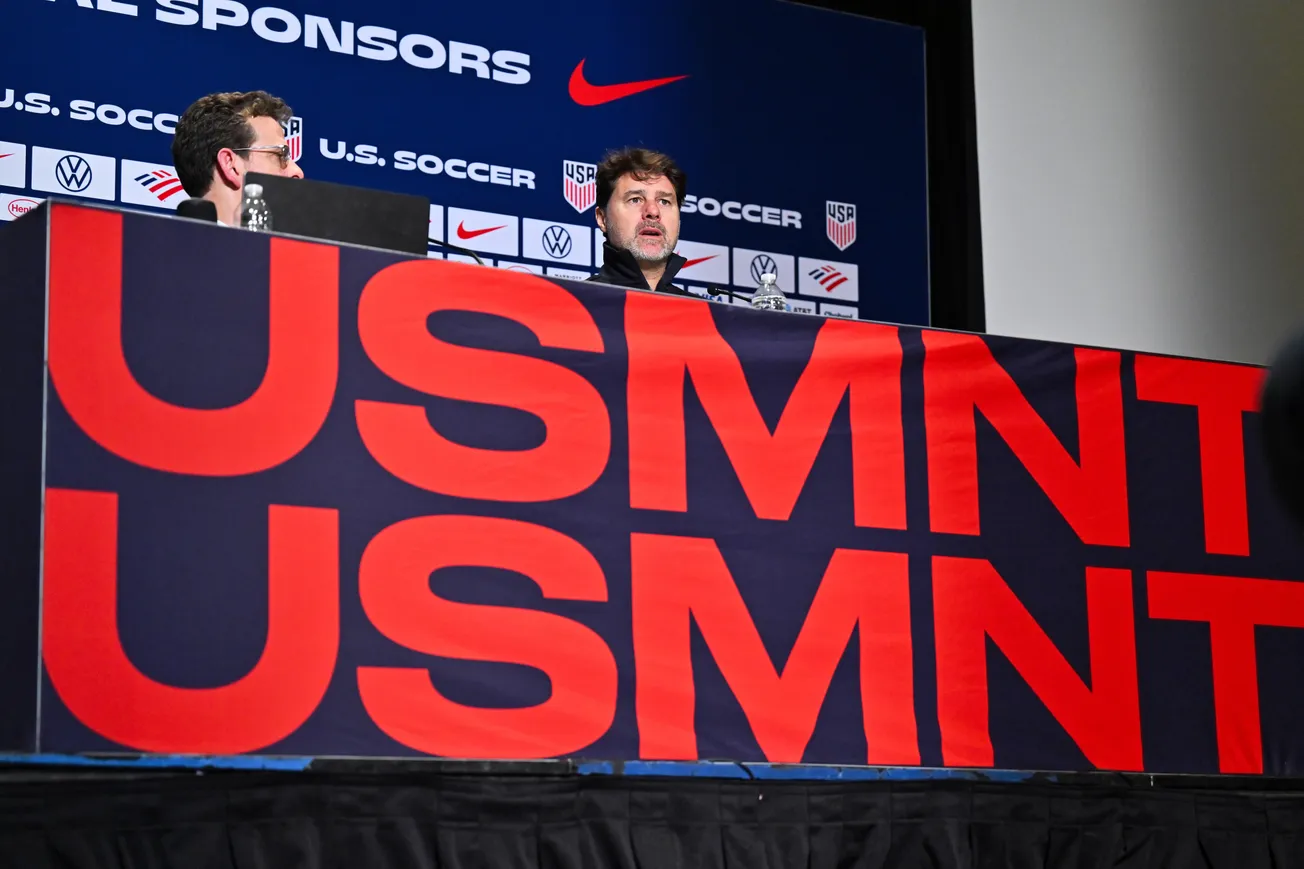
Under Carlo Ancelotti, Brazil begins its campaign on June 13, 2026, against Morocco at MetLife Stadium. The group stage also features a matchup with Haiti—a rising CONCACAF team whose energetic, transitional style presents a distinct tactical test—followed by a final match against Scotland.
Now, attention turns to whether the 2026 squad can write the next chapter of that legacy.